

Is PC gaming for everyone yet? | PC Gamer - vuthistil
Is PC gaming for everyone yet?
Accessibility Week
This feature is part of PC Gamer's Accessibility Hebdomad, running from August 16, where we'Re exploring accessible games, computer hardware, mods and more.
Last year's installment of The Game Awards celebrated the first Innovation in Accessibility award. This was alongside many other events recognising availability for the freshman prison term, and dedicated efforts like the Computer game Accessibility Awards. It's a topic that's more visible than it's ever been, but does this reflect play generally?
While we might talk about some games as being 'accessible to hot players' or an 'accessible submission point to a corner musical genre', availableness here means access for handicapped people—who realize up 19% of employed long time adults in the UK, and 23.8% in the US [These figures have been updated to contemplate more recent government reports]. Soh while mainstream games awards May have their flaws—rewarding close to of the industry's darker aspects like crunch and abusive management—it's still meaningful when they recognise efforts to remove the barriers that might exclude us.
Approachability doesn't only establish things better for disabled players, nonetheless. David Tisserand, Ubisoft's senior accessibility director, divided up on Twitter that around 95% of players leave subtitles on when IT's the default setting, and around 75% number them on in the options at least erst. This is a significantly high percentage of the population than those who have hearing passing. Over email, Tisserand says, "for us, accessibility is almost removing unintentional barriers so that as many players as possible can enjoy our games." And concerning subtitles, that includes people with difficulty processing audio, noisy roommates, babies they can't wake up, crisp Doritos—the heel goes on.
Ubisoft took two nominations for Institution in Approachability with Watch Dogs Legion and Assassins Credo Valhalla, but another candidate was Obsidian's early access natural selection biz, Grounded. It sees players shrunk down to bite-size teen adventurers—a distinctly alarming experience if the thing threatening to bite you is a wanderer. Grounded's Arachnophobia Safe Mode (or spider slider) made news last year for being the first mettlesome of its genial to buck the trend of forcing monster spiders on players with a phobia of them.
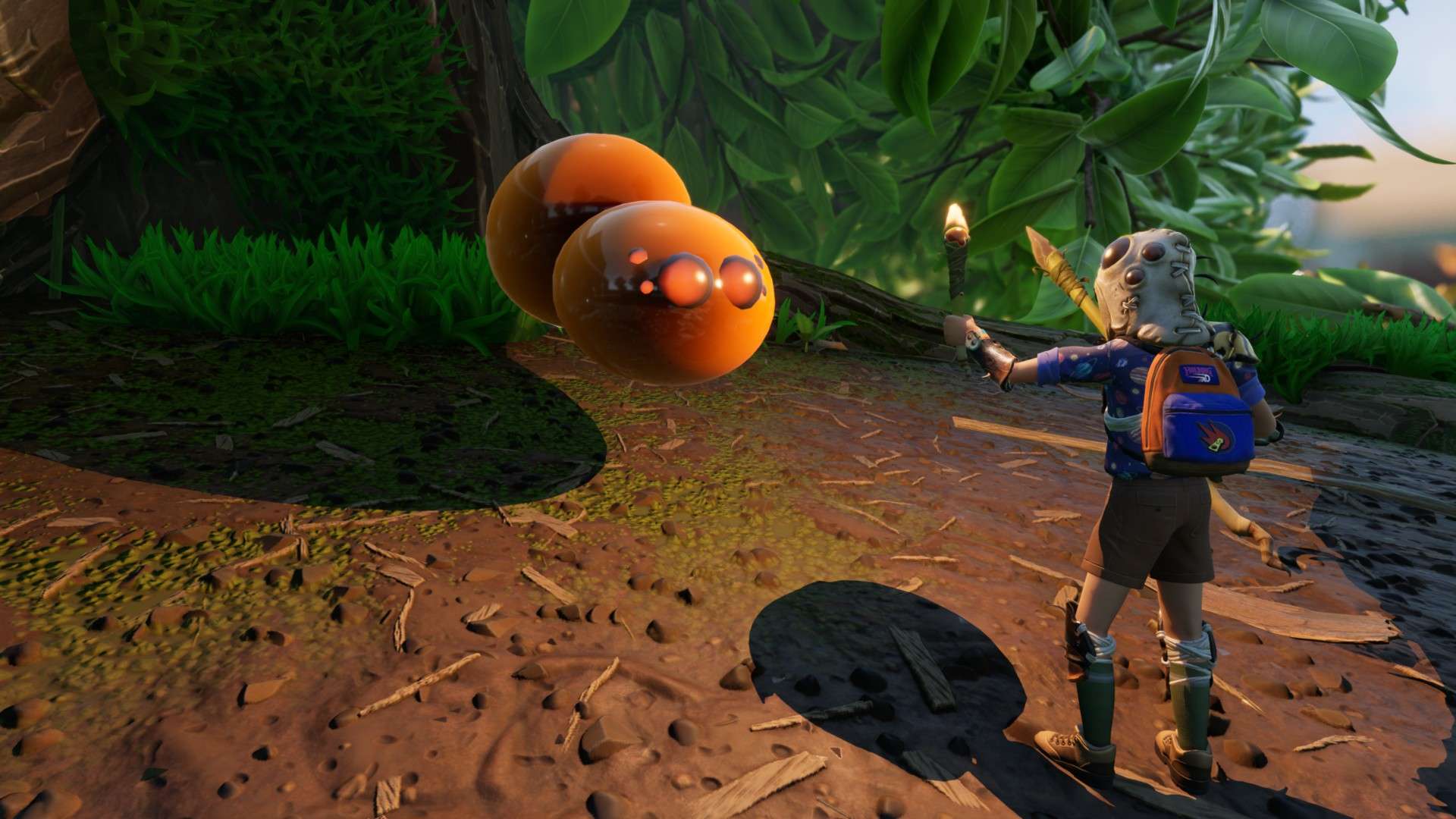
Grounded also highlights the fashio that availableness can beryllium enhanced in even its Sir Thomas More underlying structures, equal its "tattle to me" feature: a text-to-words setting for its UI. As senior programmer Brian Macintosh explains, information technology wasn't initially his idea, simply something publisher Xbox Game Studios encouraged. "I didn't initially understand how someone WHO is blind could even attempt to play Grounded, but information technology turns out in that location are many people who can see well adequate to navigate the game global but undergo trouble reading text for vision operating theater fifty-fifty cognitive reasons. For them, this feature takes the game from 'hardly playable' to 'quite playable' which is a big win."
"I didn't ab initio understand how soul who is blind could even assay to diddle Grounded."
Brian Macintosh, Obsidian
Without downplaying the seriousness of phobias, nigh of us can relate to finding spiders unsettling—I used the slipper myself when it turned out my tolerance for the critters strongly depended on our relative size up organism unfair in my favour. While the wanderer slider is inarguably innovative, Grounded's text-to-actor's line alternative being a first for Obsidian represents something no less notable: disabled players WHO developers didn't expect to be playacting their games are still existence included.
Beside industry giants Obsidian and Ubisoft, an unexpected nominee for 'Innovation in Accessibility' was indie creation HyperDot. The game features only one mechanic: to move, or more precisely, to dodge out of the way of the polygons flinging themselves at you at high speed. HyperDot's design was e'er centred more or less flexible approaches, simply creator Charles McGregor credits a acquaintance of his being gifted a Tobii Eye Tracker with the moment he realised he could make the game far more than in hand.
"After I got [eye tracker compatibility] in there I was like 'Oh, if you can't clasp a accountant, if you have a motor impairment, you would equal able to actually play all of HyperDot with it', and that really was the start of, OH yeah, I'm going to actually take this a weensy scra more seriously and check over this." From there, his publisher Bug supported him to reach out out to availability consultant Cherry Thompson, also as seek feedback from disabled streamers.
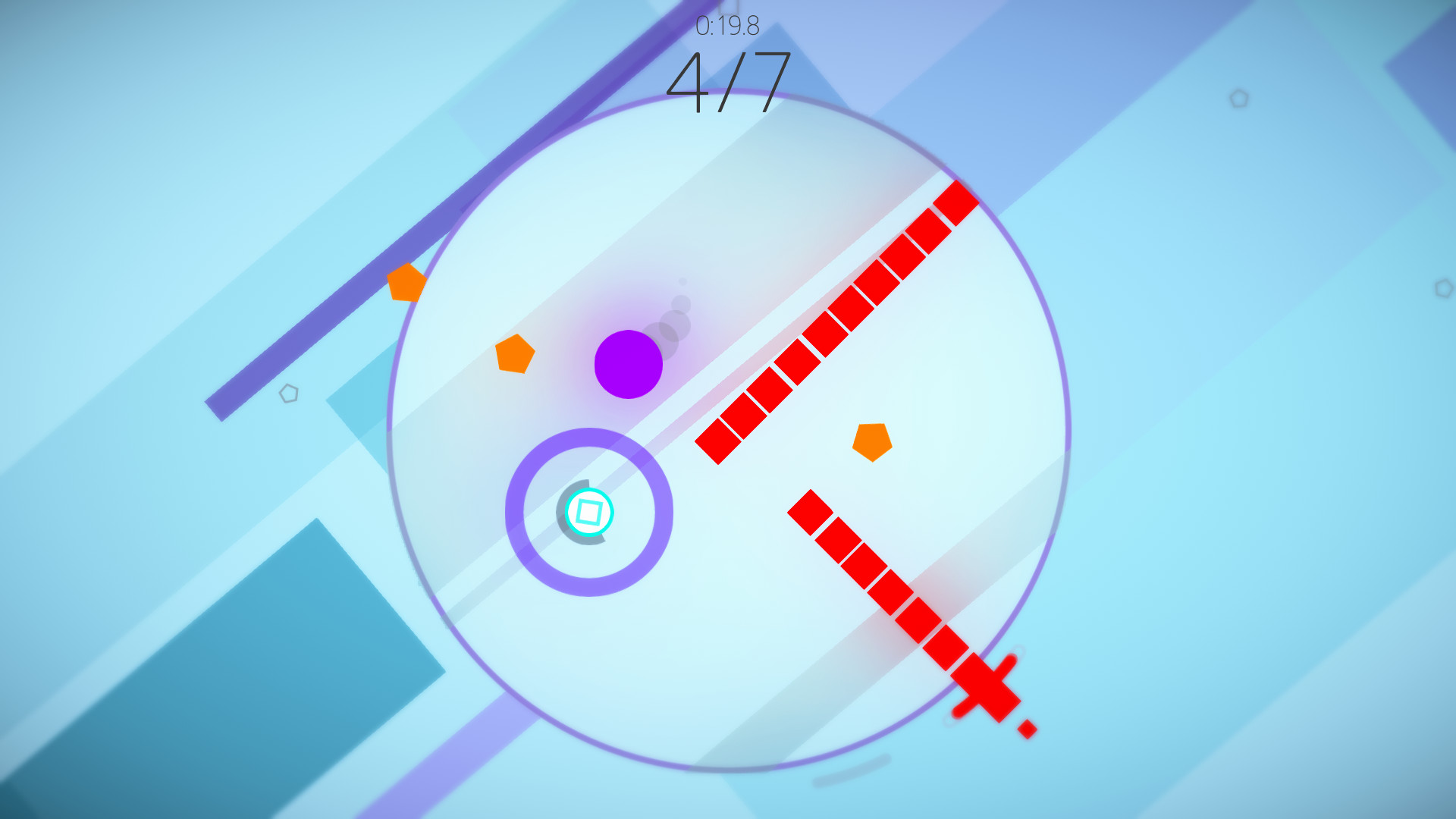
Watching streamers play the game was the first time McGregor had seen the game played outdoorsy of the build on his possess computer. "Anytime that somebody couldn't fiddle the crippled, whether it exist a physical handicap, or whether it be the game was upright too challenging or something like that, that was fair-and-square a bowel punch, corresponding 'Oh man I don't want you to not be capable to toy with the game'. I think that that was a huge motivator for me." As a result, HyperDot offers support for seven unique controllers—including slant and bear on, as advisable as the eye trailing.
Support for alternate input is important because PC gambling is not, out of the box, ready to hand for everybody. Regardless of the self-satisfied of some gage, a mouse and keyboard can itself be a roadblock. Alternative methods of input aren't a solution to inaccessible brave design—but at the duplicate time, even the best designed secret plan is inaccessible if you can't use a PC. But, with PC gaming you tush play with whatever peripherals you prefer, whether it's a glowing rainbow mouse or no computer mouse at whol.
"Anytime that somebody couldn't play the game, whether it Be a physical impairment, or whether it equal the game was just too challenging... that was just a gut punch."
Charles McGregor, Tribe Games
Charity AbleGamers helps connect disabled players with the assistive technology they may need to play. The mission statement on its website states: "Our mission is to enable play, in order to combat ethnic closing off, foster inclusive communities, to better the lives of people with disabilities." Disabled players stool request back up, and in return access soul peer counselling to help assess what they might need to adapt, with AbleGamers then also providing that equipment for those in financial need. The site also hosts a person-help library that breaks down what helpful technology is forthcoming for impairments such as gaming with one hand, operating theatre a visual harm.
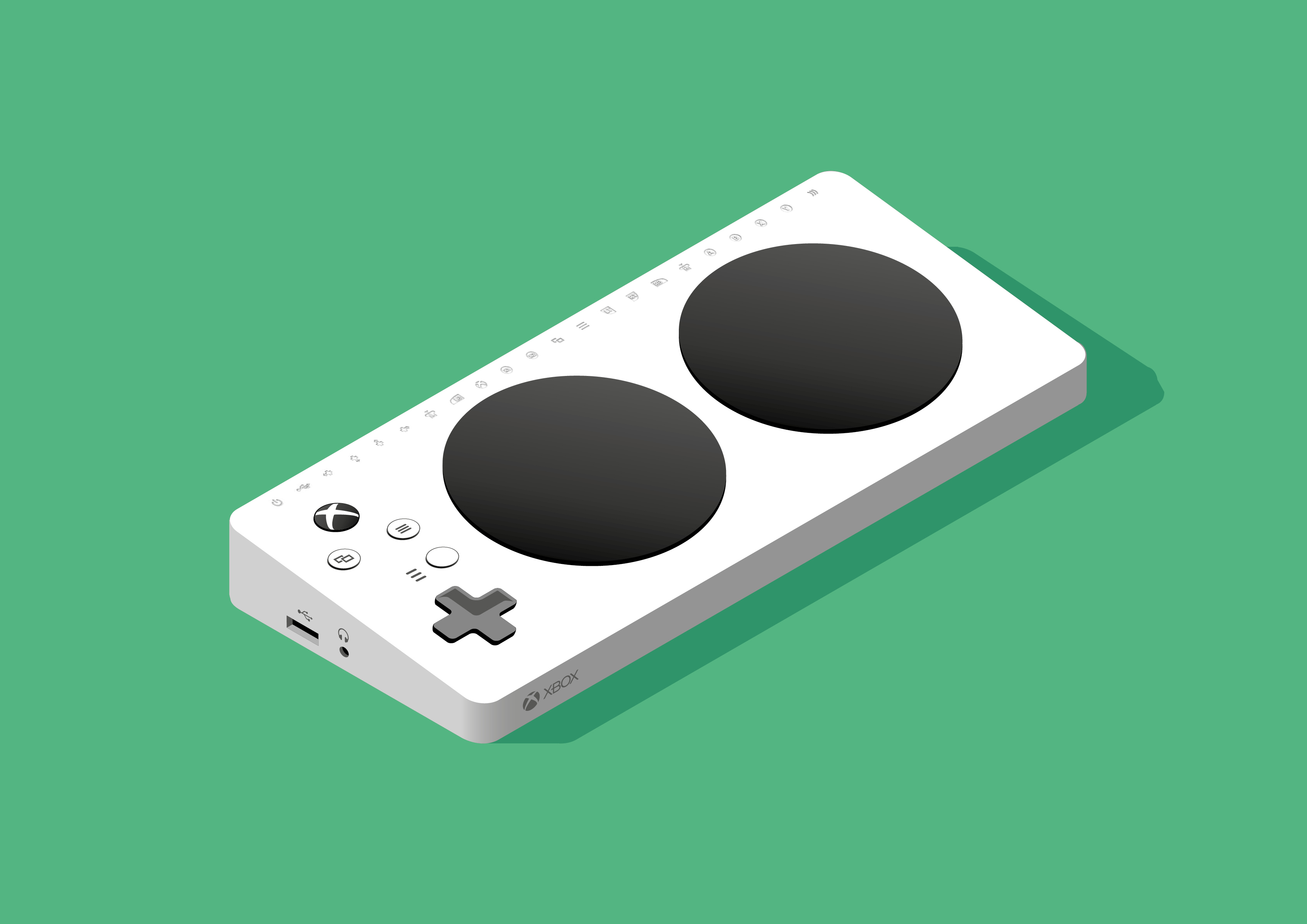
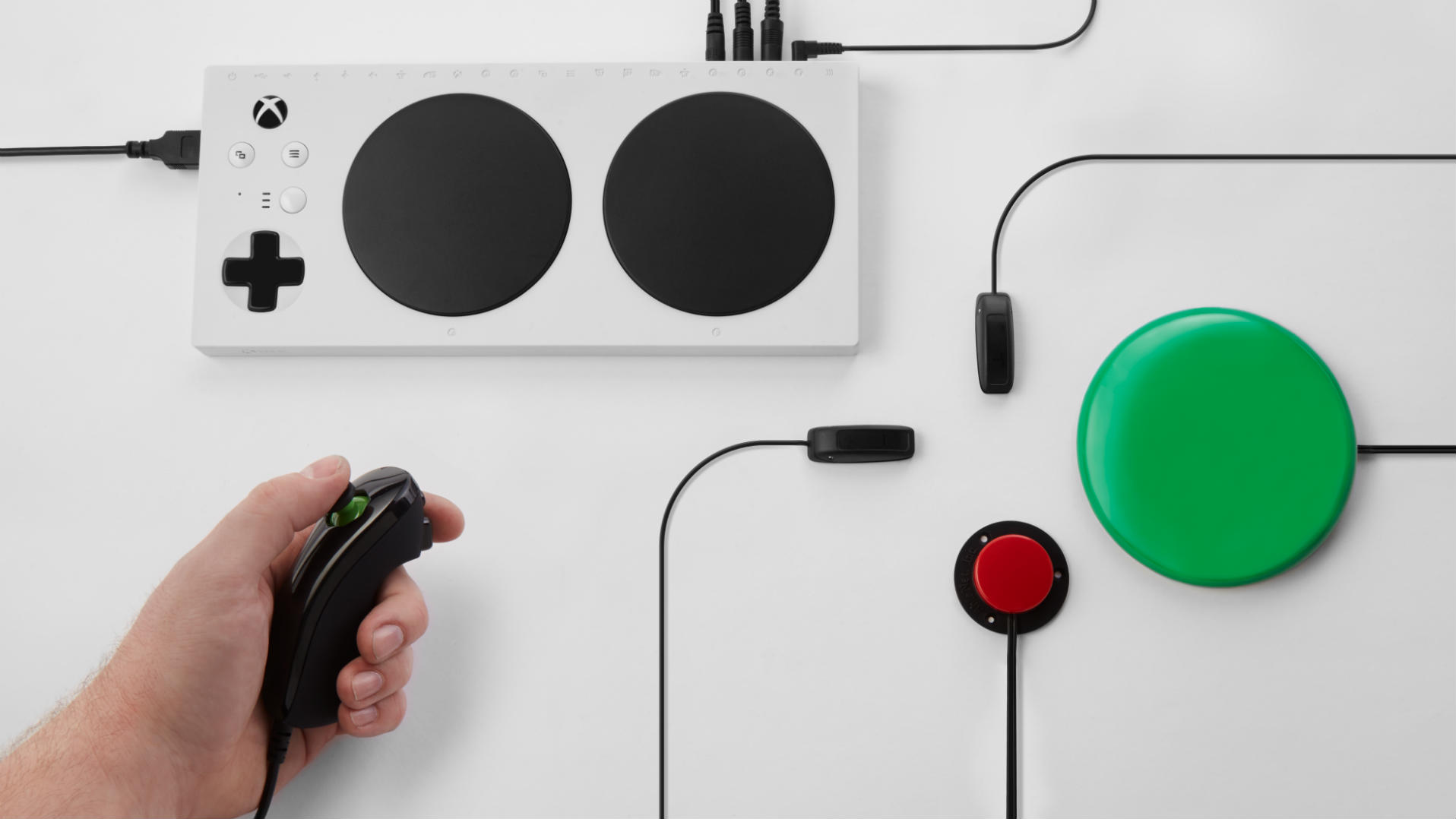
Technology solutions vary from specializer controllers (like the GrizPaw, which advertises being the quickest one-handed controller), to customising the Xbox Reconciling Restrainer with the scoop switches for your needs. As described aside the AbleGamers site: "You canful happen switches for a salmagundi of situations including, gentle touch, rigid, and flat ones called 'nip switches,' which can constitute placed on a muscle such as your calf operating room eyebrows."
There are also players for whom alternative forms of input father't make PC gaming more accessible at altogether, as information technology's the required posture that is the publication. "Because of POTS, sitting unbowed for long periods like you normally would in a desk chair can make ME dizzy and tired," explains Els Lily-white, conductor of Wanderer Lily Studios, who keeps his chairwoman reclined fully back, and has his monitor loving to an changeful weapon system to tilt it in-bloodline with his face. From this setup, he both plays games and works on his own. "My keyboard goes on a elevated lap roost, and my mouse on a table beside me. Some easier connected my heart!"
Accessibility isn't a combined-size-fits-all solution, as not all disabled people sustain the indistinguishable needs. For some, thither aren't adjustments they can arrive at—Microcomputer gaming is simply fewer reachable than the alternatives. "I tend to avoid PC games because after working altogether day at my computer, sitting there for even longer causes significant endorse and joint pain." Courtney Craven, editor program in chief of accessibility review website Can buoy I Make for That? says they've also tried playing PC games with a controller instead of a mouse, "merely that e'er seems to result in impecunious posture and once more, more pain."
Issues like pain and other sensory and motor impairments are often the first matter we think of in price of accessibility. But, look-alike Grounded's Arachnophobia Risk-free Mode, Ikenfell makes place for inclusive mental wellness. Creator Chevy Ray says, "[o]ur sensitivity consultation team (Joanna Blackhart, Jeriko Honey oil, & Aivi Tran) made a really good slip for adding in an option to enable context-delicate content warnings in the game."
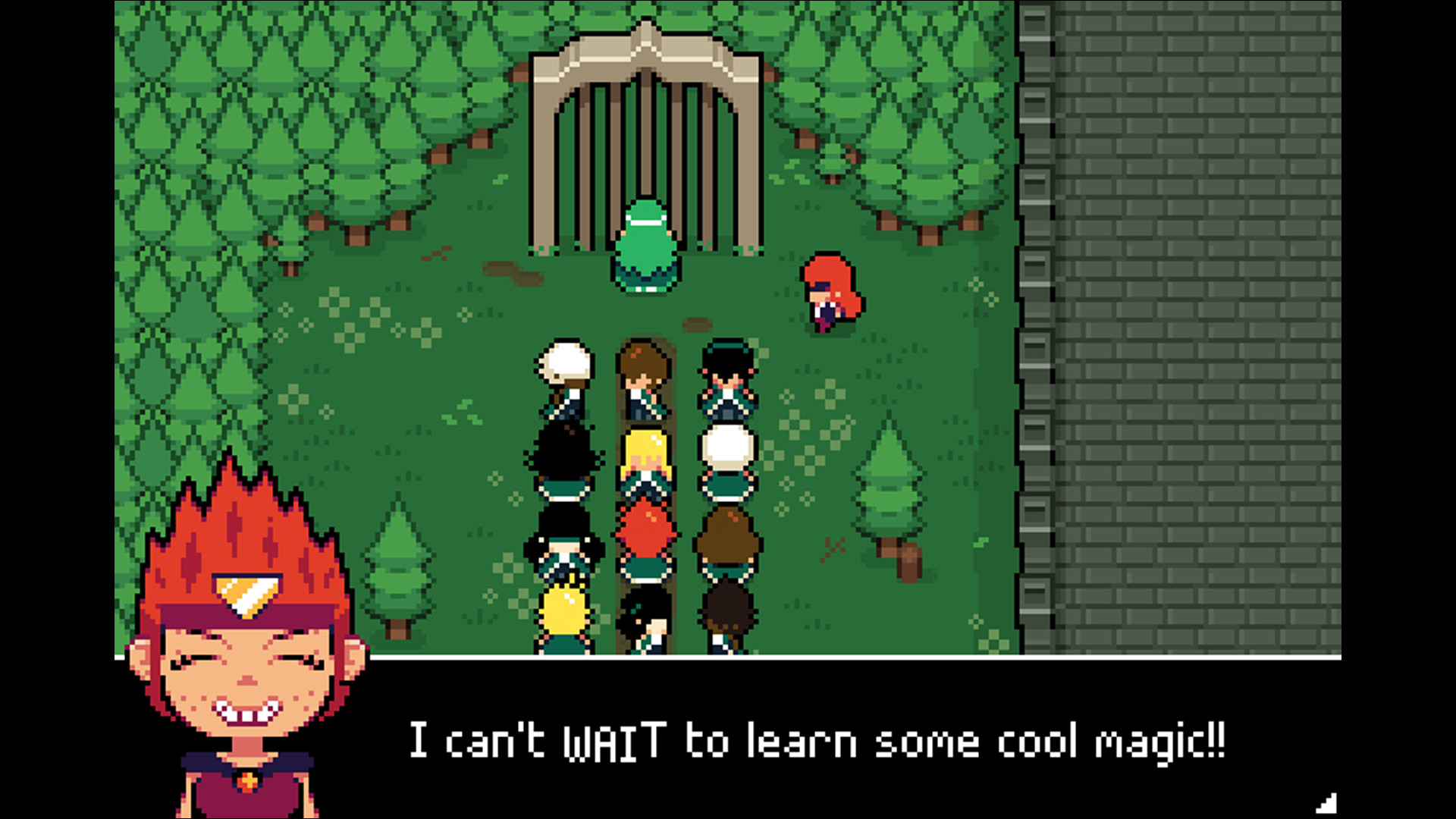
These content warnings appear in-game and before skippable cutscenes that contain possibly triggering content, so much as self-injury. "This is an extremely rare lineament for any game to hold, even in AAA companies that bring out accessibility very badly. The feature article has been immensely well-received, so I hope information technology's a feature more companies adopt in the future."
Ikenfell is a colourful turn-based tactical RPG active magical students, and pettable cats. Roam a multitude of spells, and hit the clitoris at just the right time to estate a great hit and doh critical damage—or mitigate it, when you're defensive. Notably, you seat toggle how some timing affects gameplay (if at all). For players who would still get combat inaccessible, they would typically non be able to play the game—merely in Ikenfell they can take the option to instantly win fights at whatever moment. "One of these options has them playing through the game and acquiring to experience the rest of its art, music, sounds, puzzles, and story," says Chevy Ray. "The strange does non. I think it's probably quite an obvious which of those two things I deal the fantabulous choice."
"One of these options has them playing through the gimpy and getting to receive the rest of its art, music, sounds, puzzles, and story. The other does not. I think it's probably rather obvious which of those two things I consider the Superior choice."
Chevy Ray, Happy Ray Games
Ikenfell's skippable combat highlights the debate about the way games are 'supposititious' to personify played. Games that are well loved for being difficult—you have a go at it the ones—are often passionately defended by their fans because they'atomic number 75 supposed to be so difficult. The mastery of the game, and its mechanics, are its own reward, and fashioning whatsoever part of it skippable (or easier) in the name of accessibility would defeat the point, goes the argument.
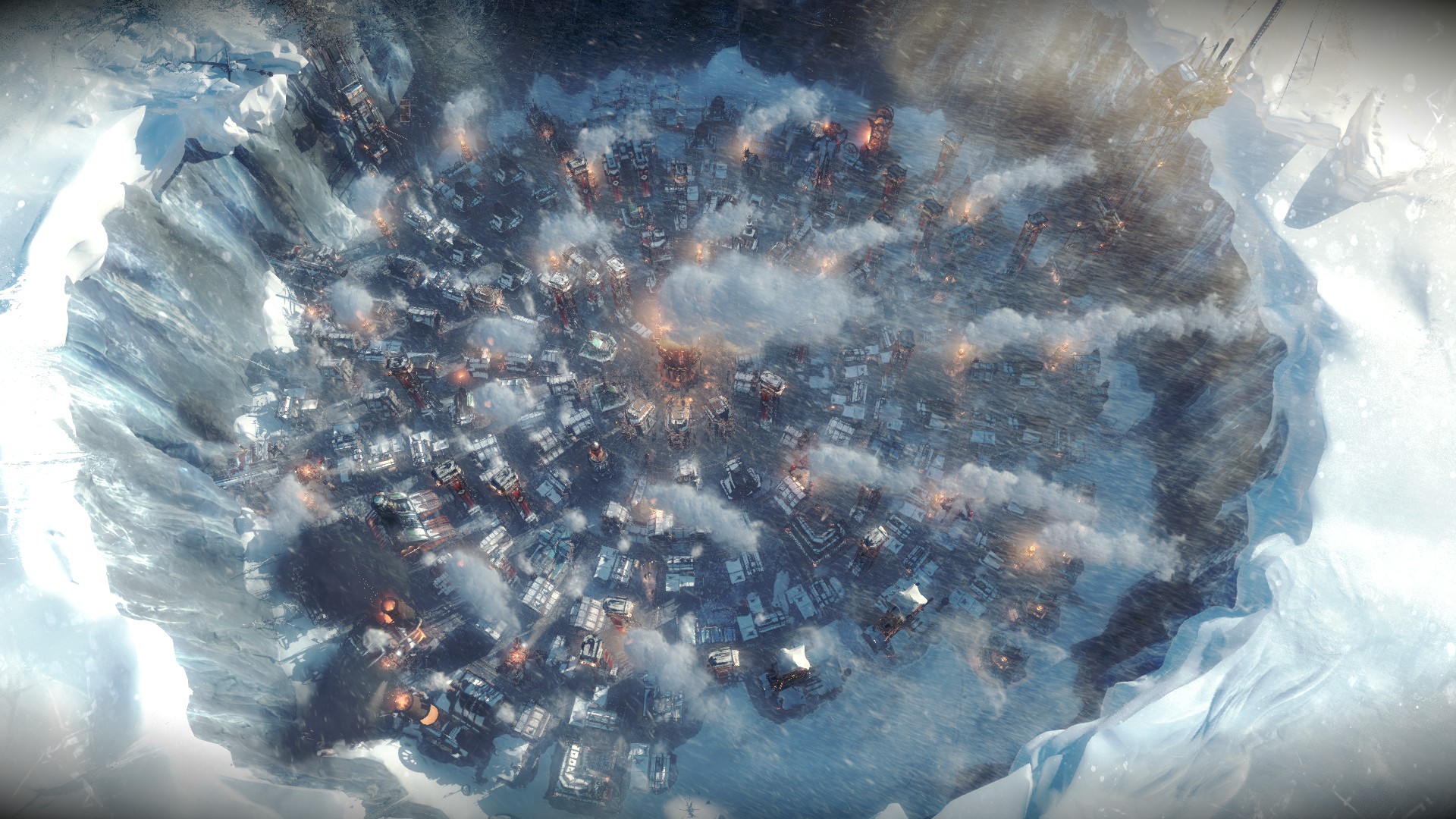
A counterpoint: Frostpunk is a difficult game, and I've poured tens of hours into information technology trying to get the best practical outcome for all single campaign, for fun. When playing games wish Dishonored, I put up particular challenges—don't be seen and assume't use powers and despoil every the art, etc. I like being challenged, merely that doesn't translate to, say, the precise timing required of Hollow Knight. The Mantis Lords move faster than I can see.
Difficulty is a extensive concept, indeed it's hard to pin down how it relates to availableness. When a specific roadblock is devising a unfit embarrassing, addressing that barrier is often a more straightforward solution. Simultaneously, what we hatch as an 'easy mode' is a written for a set of tools that reduces a game's demands. Those tools are still accessibility tools, in particular for players with chronic fatigue, pain, and/or impaired reflexes.
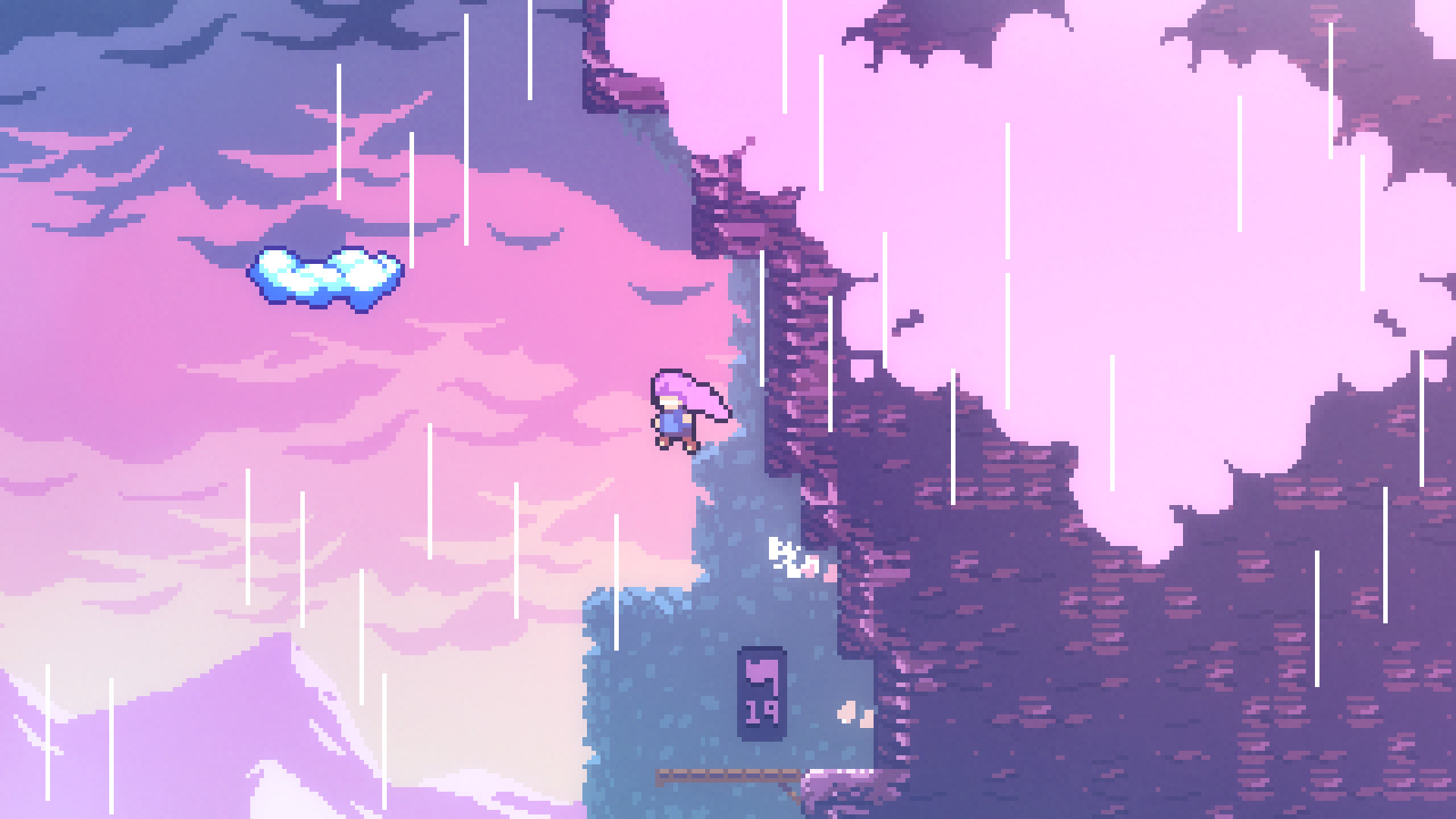
Or els, some difficult games in Holocene old age have opted to implement Assist Modes—platformer Celeste's beingness one of the almost well-known. Rather than dropping mechanical complexness away an discretionary level, players can fine line effects arsenic needed like Madeline's stamina, or number of dashes, allowing the participant to a greater extent time to remember or to of course correct. Any Aid Mode is tailored for the gameplay it's related to—compare an protected Madeline climbing through the bump off-fungus to Control's Jesse, flinching with all bullet hit even when unvanquishable.
Some players maintain that difficult games without whatever way to make them more accessible are 'the developer's vision', but availableness specialist Ian Alice Hamilton explains that this is one of the most common misconceptions that players have more or less how game development works.
"What designers think of for their players is really about an emotional experience. And that thing on the disc operating theater that you've just downloaded is not the vision, IT's not an experience in itself. It's merely a means to an end, a framework put in lay to try [to] let players have that kind of experience. The experience only comes into macrocosm through interaction with the musician—and players are a varied bunch, so whether what they feel matches the designer's intent depends on how that framework interacts with their own personal inevitably, abilities and preferences."
"What designers have in creative thinker for their players is really about an emotional live."
Ian Hamilton, accessibility medical specialist
'Difficult games' aren't a monolith, and no one stake is difficult for the same grounds as another. Whether it's to dispute players, for narrative theming, or to encourage players to to the full juice a combat system, all difficult game wants the actor to have a certain feel for. That experience does not inherently need to leave out handicapped players.
We might fete innovations in accessibility in games, merely that only suggests that there are leaps and bounds to go—even if we are making them. "The state of the field is quite a unrecognisable compared to even a few momentaneous years ago," Hamilton says, reflecting on his sixteen years of experience in the industry. "It wasn't long past that a single mainstream game including a mateless approachability accommodation was big news, and now it's hard to find any astronomical name halt that doesn't ingest a swathe of considerations, and indies are accurate there at the forefront of that advancement.
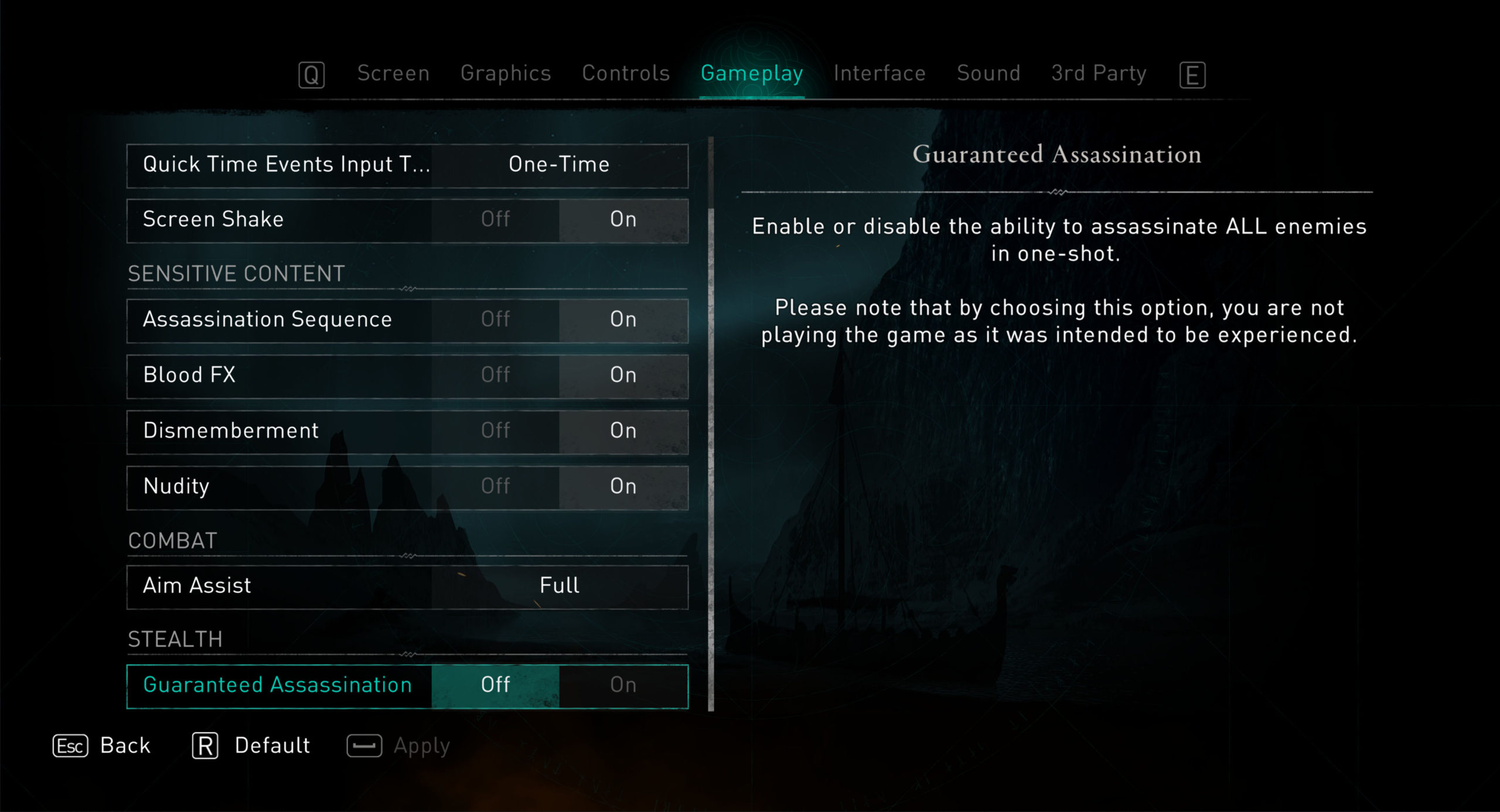
"But we'rhenium still really only at the start. There hasn't yet been any Abdominal aortic aneurysm that has managed to nail all of the basics, things like remapping, subtitle presentation, colourblindness, text size up, and effect/camera intensity level. And we are a very, very long way from getting beyond that to where [we] really need to be, which is any gamer organism able to peck any game and have a reasonable expectation that they'll be competent to play, that they won't be unnecessarily fastened out operating theatre have an unnecessarily bad feel."
Right today, the PC gaming experience feels unpredictable when it comes to handiness. I can pick up a physically undemanding adventure game and recover myself waylaid by flashing lights and tiny tiny text, or demo an future action game and find improbably comprehensive difficulty settings. The one thing invariable with most people I spoke to, however, was that awareness of accessibility in development has increased hugely in only a short amount of time. Developers care, and there's a meaning advertize for games to be more accessible and more inclusive. With the evolution cycle of games being the length IT is, I'm excited to see what will be winning accessibility awards in 2022.

Source: https://www.pcgamer.com/is-pc-gaming-for-everyone-yet/
Posted by: vuthistil.blogspot.com
0 Response to "Is PC gaming for everyone yet? | PC Gamer - vuthistil"
Post a Comment